

Description
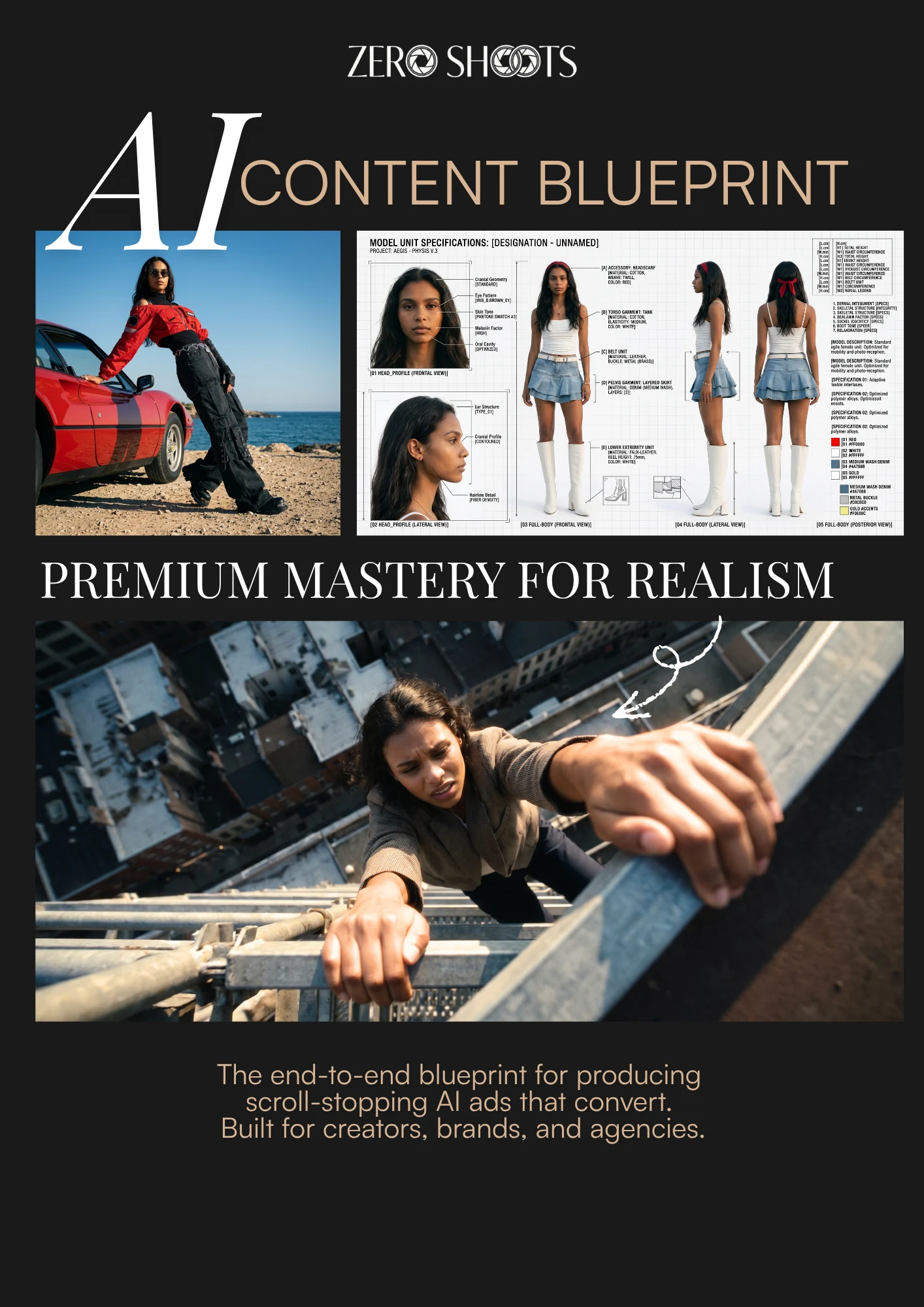
Zero Shoots – AI Content Blueprint: The Ultimate Review & Deep-Dive Guide
In an era where video content dominates social feeds, search engines, and digital marketing strategies, traditional production methods are increasingly becoming a bottleneck. Renting studios, hiring crews, scheduling talent, and spending endless hours in video editing suites are high-friction tasks that eat into creative momentum and profit margins.
Enter the Zero Shoots – AI Content Blueprint, a strategic framework designed to completely redefine how video content is conceptualized, generated, and scaled.
This comprehensive review dives deep into what this blueprint offers, who it is designed for, its core architecture, and whether it truly lives up to the hype as the definitive model for modern content creators and businesses.
1. What Exactly Is the AI-First Production Framework?
At its core, this system is a modern methodology built around “faceless” or studio-free content creation. Instead of relying on physical camera setups, complex lighting rigs, or manual scene blocking, the blueprint leverages state-of-the-art generative artificial intelligence tools to engineer high-quality, engaging video assets from scratch.
Whether you are looking to build a high-converting social media brand, scale a YouTube channel, produce compelling educational material, or run viral ad campaigns, the blueprint outlines a step-by-step roadmap to achieve professional output at a fraction of the traditional cost and time.
Key Pillars of the Methodology
-
Zero Equipment Overhead: Eliminate the need for expensive cameras, studio spaces, or high-end editing rigs.
-
Script-to-Video Pipelines: Transform raw ideas or written copy into fully realized visual narratives seamlessly.
-
Scalable Asset Generation: Generate consistent, brand-aligned visual and auditory assets on demand.
-
Hyper-Efficient Workflows: Reduce production lifecycles from days down to a few hours—or even minutes.
2. Unpacking the Core Modules
The strength of any digital blueprint lies in its structural clarity. Rather than offering vague advice, the system breaks down the production lifecycle into clear, actionable stages.
[ Concept & Ideation ]
         │
         ▼
[ Script Engineering ] ────► [ AI Voice Synthesis ]
         │                           │
         └───────────┬───────────────┘
                     ▼
       [ Generative Visuals (B-Roll) ]
                     │
                     ▼
      [ Automated Timeline Assembly ]
                     │
                     ▼
      [ Distribution & Monetization ]
Module 1: Strategic Ideation and Audience Architecture
Great content starts with a deep understanding of audience psychology. This initial phase teaches users how to identify high-performing niches, analyze viral trends, and uncover underserved content gaps. Instead of guessing what might work, creators learn how to use algorithmic insights to validate concepts before entering production.
Module 2: Prompt-Driven Script Engineering
Writing for video is fundamentally different from writing an article or a blog post. This phase focuses on structuring hooks that retain viewer attention past the critical three-second mark. By utilizing precise prompt templates, creators can turn simple concepts into structured, multi-scene video scripts complete with visual cues, voiceover directions, and emotional pacing.
Module 3: Synthetic Voice Over and Audio Design
Audio quality often dictates whether a viewer stays or scrolls past a video. The blueprint provides a deep dive into synthetic voice technology, teaching creators how to select, clone, and fine-tune AI voices to sound genuinely human, expressive, and authoritative. It also covers background audio layering, spatial balance, and sound design techniques that add production polish.
Module 4: Generative Visual Synthesis (B-Roll & Scenes)
The visual engine is where the true power of this system shines. This section guides users through producing high-definition images, animations, and video clips tailored to every line of their script.
-
Style Consistency: How to maintain visual continuity across different scenes.
-
Camera Control Simulation: Prompting techniques that mimic professional camera angles, lens choices, and lighting styles.
-
Dynamic Visual Pacing: Matching visual cuts to audio cues to maximize viewer retention.
Module 5: Automated Assembly and Post-Production
Bringing the script, audio, and visual assets together into a polished video is the final technical hurdle. The blueprint details modern editing software and automated workflows that handle captions, color grading, transition effects, and export formatting with minimal manual effort.
3. Comprehensive Performance Comparison
To appreciate the efficiency gains of adopting an AI-driven workflow, it helps to look at how traditional video production compares directly against this modern blueprint across key operational metrics.
| Performance Metric | Traditional Video Production | The AI-Driven Blueprint |
| Initial Investment | High ($2,000–$10,000+ for gear/crew) | Low (Software subscriptions only) |
| Production Time | 10 to 30 hours per finished piece | 1 to 3 hours per finished piece |
| Scalability | Linear (limited by physical time & labor) | Exponential (reproducible workflows) |
| Skill Requirement | High (Cinematography, Editing, Audio Engineering) | Moderate (Prompt Crafting, Asset Assembly) |
| Adaptability | Low (re-shoots require time and budget) | Instant (tweak prompts and re-render) |
| Localization & Translation | Expensive (hiring voice actors & editors) | Seamless (automated multilingual voice cloning) |
4. Who Benefits Most From This System?
While the application of synthetic media is broad, certain groups stand to gain an exceptional competitive advantage by implementing this workflow:
Digital Marketers & Agencies
Agencies running paid performance campaigns need to test dozens of ad creatives every week. By removing the friction of physical shoots, marketing teams can rapidly generate creative variations, test different hooks, and scale winning angles without exploding their production budgets.
Solo Content Creators & Solopreneurs
Building a personal or faceless brand on platforms like YouTube, TikTok, or Instagram used to require an entire team or burnout-level effort. This system levels the playing field, allowing single operators to publish at the volume and quality of a mid-sized digital studio.
Educators and Course Creators
Turning text-heavy educational content into engaging video modules usually takes months. With this blueprint, instructors can convert written curricula into visual lectures quickly, updating material seamlessly as industry standards change.
E-Commerce Brands
Product showcase videos, dynamic promotional spots, and social proof content can be continuously produced without arranging photoshoots for every single inventory update or seasonal sale.
5. Pros and Cons: An Honest Evaluation
No framework is perfect. To provide a fair evaluation, here is a breakdown of where this system excels and where users might face challenges.
The Strengths
-
Extreme Cost Efficiency: Dramatically cuts down the overhead associated with talent acquisition, equipment purchases, and venue rentals.
-
Unmatched Production Speed: Move from an initial concept to a published, high-definition video in the same afternoon.
-
Complete Creative Control: If a visual element doesn’t work, changing it is as simple as tweaking a text prompt rather than scheduling a costly re-shoot.
-
Global Reach Capability: Effortlessly adapt content into multiple languages using voice cloning and automated lip-sync technology.
Points to Consider
-
Initial Tool Learning Curve: Understanding how to properly prompt AI visual engines and fine-tune audio requires an initial period of experimentation.
-
Algorithmic Awareness: Creators must stay updated as platform policies around synthetic media evolve, ensuring proper disclosure when required.
-
Quality Control Necessity: Because generating assets is so easy, creators must remain diligent about maintaining a high standard of storytelling rather than publishing generic visual noise.
6. Real-World Applications and Use Cases
To see how this methodology translates into real business outcomes, consider these three distinct implementation models:
Case Study A: The Faceless Niche Channel
A content creator establishes a YouTube channel focused on historical deep-dives. Using text-to-image and image-to-video generators, the creator builds atmospheric visuals that mirror the historical narrative perfectly. The result is a highly engaged audience, consistent upload schedules, and multi-stream monetization through ad revenue and sponsorships—all achieved without ever stepping in front of a camera.
Case Study B: The Rapid-Fire Ad Agency
A direct-to-consumer e-commerce brand utilizes the workflow to generate short-form video ads for TikTok and Meta. By creating 15 variations of a single product pitch in a single afternoon, they systematically run split tests to find the best-performing hook, lowering their Customer Acquisition Cost (CAC) by over 30%.
Case Study C: Corporate Onboarding & Training
A growing tech company updates its internal training documentation into interactive video format. Instead of filming HR staff repeatedly, the team uses synthesized avatars and custom narration to build an entire library of onboarding modules in a fraction of the usual timeframe.
7. How to Maximize Your Results with the Blueprint
If you decide to integrate this workflow into your content strategy, keep these actionable tips in mind to get the best possible output:
-
Prioritize the Narrative Hook: AI can create stunning visuals, but it cannot fix a boring script. Spend extra time refining the narrative structure and emotional hook of your content.
-
Develop a Visual Style Guide: Keep your color palettes, visual prompts, and aesthetic themes consistent across videos so your audience recognizes your content instantly.
-
Master the Art of Multi-Layered Audio: Don’t rely solely on a synthetic voice. Blend subtle background sound effects (SFX) and ambient music to build an immersive viewing experience.
-
Embrace Human Editing: Use AI to do 90% of the heavy lifting, but apply human judgment during final assembly to ensure the video flows naturally and feels authentic.
Final Verdict
The Zero Shoots – AI Content Blueprint represents a fundamental shift in how digital media is constructed. It breaks down the high financial and technical barriers that historically kept smaller creators and businesses from producing top-tier video content.
While it does require an investment of time to master prompt engineering and tool orchestration, the return on investment in terms of time saved, cost reduction, and content output is undeniable. For anyone serious about scaling their visual content strategy in the modern digital ecosystem, this blueprint offers one of the most practical, forward-thinking roadmaps available today.



Reviews
There are no reviews yet.