

Description
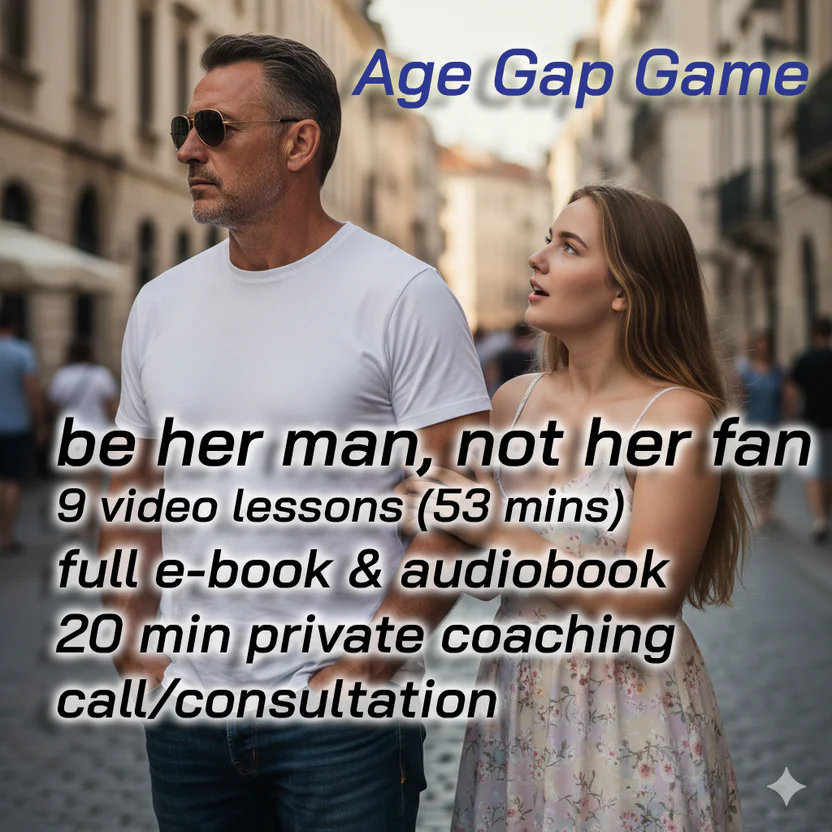
Jacob Abdo – Age Gap Game Course: Understanding Communication, Confidence, and Modern Relationship Dynamics
Introduction
Relationships between people with different life experiences have always been a topic of interest, discussion, and learning. Age differences can create unique opportunities for connection, but they can also bring challenges related to communication, expectations, values, and personal growth.
Jacob Abdo – Age Gap Game Course represents a learning approach focused on understanding relationship dynamics, improving communication skills, developing confidence, and creating healthier interpersonal connections. The concept highlights the importance of emotional intelligence, self-awareness, and respectful interactions when navigating relationships where individuals may come from different generations or stages of life.
Modern relationship education is no longer only about attraction. It involves understanding psychology, communication patterns, emotional maturity, boundaries, and the ability to build meaningful connections.
This detailed guide explores the principles behind relationship learning, the importance of confidence and communication, how personal development influences connections, and why understanding human behavior is valuable in modern social interactions.
Understanding Age Gap Relationships
Age differences in relationships can create unique experiences because individuals may have different backgrounds, perspectives, goals, and priorities.
A relationship involving different age groups may require additional attention toward:
- Communication styles
- Life goals
- Personal values
- Emotional expectations
- Future planning
- Mutual understanding
A healthy relationship depends less on numbers and more on compatibility, respect, shared values, and emotional connection.
The Importance of Communication in Relationships
Communication is one of the most important foundations of any successful relationship.
Strong communication involves:
Active Listening
Listening is more than hearing words. It requires understanding another person’s thoughts, feelings, and perspective.
Good listeners:
- Ask thoughtful questions
- Avoid assumptions
- Show empathy
- Respond with understanding
Expressing Feelings Clearly
Many relationship challenges happen because people struggle to communicate their needs.
Healthy communication includes:
- Sharing expectations
- Discussing concerns
- Expressing appreciation
- Resolving disagreements respectfully
Understanding Different Perspectives
People from different generations may have different experiences that influence how they view relationships.
Learning to appreciate different viewpoints creates stronger connections.
Building Confidence and Self-Awareness
Confidence plays an important role in personal relationships.
True confidence is not about pretending to be someone else. It comes from:
- Understanding yourself
- Developing useful skills
- Maintaining healthy self-respect
- Accepting personal strengths and weaknesses
Self-awareness helps people understand:
- What they want
- What they value
- How they communicate
- How they respond emotionally
Personal growth creates a stronger foundation for meaningful relationships.
The Role of Emotional Intelligence
Emotional intelligence is the ability to understand and manage emotions effectively.
Important elements include:
Self-Awareness
Recognizing personal emotions and understanding how they influence behavior.
Self-Control
Managing reactions during challenging situations.
Empathy
Understanding another person’s feelings and experiences.
Social Awareness
Recognizing communication patterns and relationship dynamics.
Emotional intelligence helps create healthier and more respectful connections.
Why Personal Development Matters
Successful relationships often begin with personal development.
Improving yourself can positively influence:
- Confidence
- Communication
- Decision-making
- Emotional stability
- Relationship choices
Personal growth is not about becoming a different person. It is about becoming a stronger version of yourself.
Understanding Relationship Dynamics
Every relationship has its own unique balance.
Important factors include:
Shared Values
Common beliefs and priorities create stronger foundations.
Examples include:
- Lifestyle preferences
- Future goals
- Family expectations
- Personal ambitions
Mutual Respect
Respect means recognizing another person’s opinions, boundaries, and individuality.
Healthy relationships allow both people to maintain their identity while building a connection.
Emotional Compatibility
Emotional compatibility involves understanding:
- Communication needs
- Support preferences
- Conflict styles
- Emotional expectations
The Importance of Healthy Boundaries
Boundaries are essential in all relationships.
Healthy boundaries help people:
- Communicate expectations
- Protect personal well-being
- Maintain independence
- Build trust
A respectful relationship allows both individuals to feel valued and comfortable.
Learning Social Skills and Better Interactions
Social skills influence how people connect with others.
Important skills include:
Conversation Skills
Good conversations involve:
- Asking meaningful questions
- Sharing experiences
- Showing curiosity
- Finding common interests
Confidence in Social Situations
Social confidence develops through practice and experience.
Helpful habits include:
- Being present
- Maintaining positive communication
- Developing genuine interest in others
Reading Social Cues
Understanding body language, tone, and emotions helps improve interactions.
Social awareness allows people to respond more effectively.
The Role of Respect in Modern Dating Education
Modern relationship education focuses increasingly on respect, honesty, and communication.
Healthy connections are built on:
- Mutual interest
- Clear communication
- Personal responsibility
- Emotional maturity
- Respect for boundaries
Understanding these principles creates better experiences for everyone involved.
Developing a Growth Mindset
A growth mindset means believing that skills and abilities can improve through learning and practice.
In relationships, this means:
- Learning from experiences
- Improving communication
- Understanding mistakes
- Becoming emotionally stronger
Growth helps people create better connections over time.
Creating Meaningful Connections
A meaningful relationship is based on more than initial attraction.
Long-term connections often require:
- Trust
- Honesty
- Shared experiences
- Emotional support
- Consistent effort
The strongest relationships are built through understanding and commitment.
Advanced Strategies for Building Stronger Connections
Creating meaningful relationships requires continuous learning and improvement. While communication and confidence create a strong foundation, long-term success depends on emotional awareness, adaptability, and mutual effort.
Focus on Authentic Communication
Authentic communication means being honest while remaining respectful.
Strong communication involves:
- Expressing thoughts clearly
- Understanding another person’s perspective
- Avoiding unnecessary assumptions
- Discussing important topics openly
When people communicate authentically, they create an environment where trust can develop naturally.
Improve Emotional Awareness
Understanding emotions is a valuable relationship skill.
Emotional awareness helps people recognize:
- Their own reactions
- The feelings of others
- Patterns during disagreements
- Ways to improve conversations
People with stronger emotional awareness are often better equipped to handle challenges calmly.
Develop Patience and Understanding
Relationships require time and effort.
People with different backgrounds or experiences may approach situations differently. Patience allows both individuals to understand each other instead of reacting quickly.
Important habits include:
- Giving others time to express themselves
- Avoiding quick judgments
- Learning from differences
- Appreciating unique perspectives
Common Mistakes in Relationship Development
Understanding common challenges can help people create healthier connections.
Ignoring Communication Problems
Small misunderstandings can become larger issues when they are not addressed.
Open conversations help prevent unnecessary conflict.
Focusing Only on First Impressions
Initial attraction may create interest, but lasting relationships depend on deeper qualities such as:
- Character
- Compatibility
- Trust
- Emotional connection
Losing Personal Identity
A healthy relationship allows both people to maintain their individuality.
Personal goals, friendships, interests, and growth should continue alongside the relationship.
Avoiding Difficult Conversations
Important topics should not be ignored.
Discussing expectations, boundaries, and future plans creates clarity and understanding.
The Connection Between Confidence and Relationship Success
Confidence influences how people communicate and interact with others.
Healthy confidence allows individuals to:
- Express themselves clearly
- Handle challenges positively
- Build stronger social connections
- Maintain self-respect
Confidence grows through:
- Learning new skills
- Developing emotional intelligence
- Practicing communication
- Reflecting on personal experiences
How Personal Growth Improves Relationships
Personal development benefits both individuals and their relationships.
Areas of growth include:
Mental Growth
Developing better thinking patterns and problem-solving skills.
Emotional Growth
Learning to manage emotions and understand others.
Social Growth
Improving communication and interpersonal skills.
Lifestyle Growth
Creating healthy habits and pursuing meaningful goals.
When individuals continue improving themselves, they often create healthier relationships.
The Future of Relationship Education
Relationship learning continues to evolve as society changes.
Future approaches may focus more on:
Emotional Intelligence Training
Understanding emotions and improving communication will become increasingly important.
Digital Communication Skills
As online interactions become more common, people will need stronger skills for building genuine connections digitally.
Personal Development
Future education may focus more on confidence, self-awareness, and emotional maturity.
Healthy Relationship Awareness
Respect, consent, communication, and understanding will remain essential parts of relationship education.
Practical Steps for Improving Relationship Skills
Anyone can improve their interpersonal skills through consistent practice.
Step 1: Understand Yourself
Identify your:
- Values
- Goals
- Communication style
- Emotional patterns
Self-awareness improves relationships.
Step 2: Improve Listening Skills
Practice listening without immediately preparing a response.
Focus on understanding rather than simply reacting.
Step 3: Communicate Clearly
Share thoughts and feelings honestly while respecting the other person’s perspective.
Step 4: Learn From Experiences
Every interaction provides an opportunity to grow.
Reflect on:
- What worked
- What could improve
- What you learned
Step 5: Continue Developing Yourself
Personal growth is an ongoing process.
Improving yourself creates better opportunities for meaningful connections.
Frequently Asked Questions (FAQ)
What is Jacob Abdo – Age Gap Game Course?
It represents an educational approach focused on understanding relationship dynamics, communication, confidence, and personal development.
Why is communication important in relationships?
Communication helps people understand each other, express needs, resolve conflicts, and build stronger emotional connections.
Do age differences affect relationships?
Age differences can influence experiences, perspectives, and priorities, but healthy relationships depend on respect, compatibility, communication, and shared values.
How can someone improve relationship skills?
People can improve by developing emotional intelligence, practicing active listening, building confidence, and learning from personal experiences.
Why is self-improvement important for relationships?
Personal growth helps individuals become more confident, emotionally aware, and capable of creating healthier connections.
Conclusion
Jacob Abdo – Age Gap Game Course highlights the importance of understanding relationships through communication, confidence, emotional intelligence, and personal development. In modern relationships, success depends not only on attraction but also on the ability to understand, respect, and connect with another person.
Healthy relationships are built through consistent effort, open communication, and a willingness to grow. Differences in age, experience, or background can create unique perspectives, but strong foundations come from mutual respect and emotional compatibility.
The most valuable relationship skills are not about following a specific formula. They come from becoming more self-aware, improving communication, and creating genuine connections based on trust and understanding.
As relationship education continues to evolve, the focus on emotional maturity, respect, and personal growth will remain essential. Individuals who invest in improving themselves are better prepared to build meaningful and lasting relationships.




Reviews
There are no reviews yet.