

Description
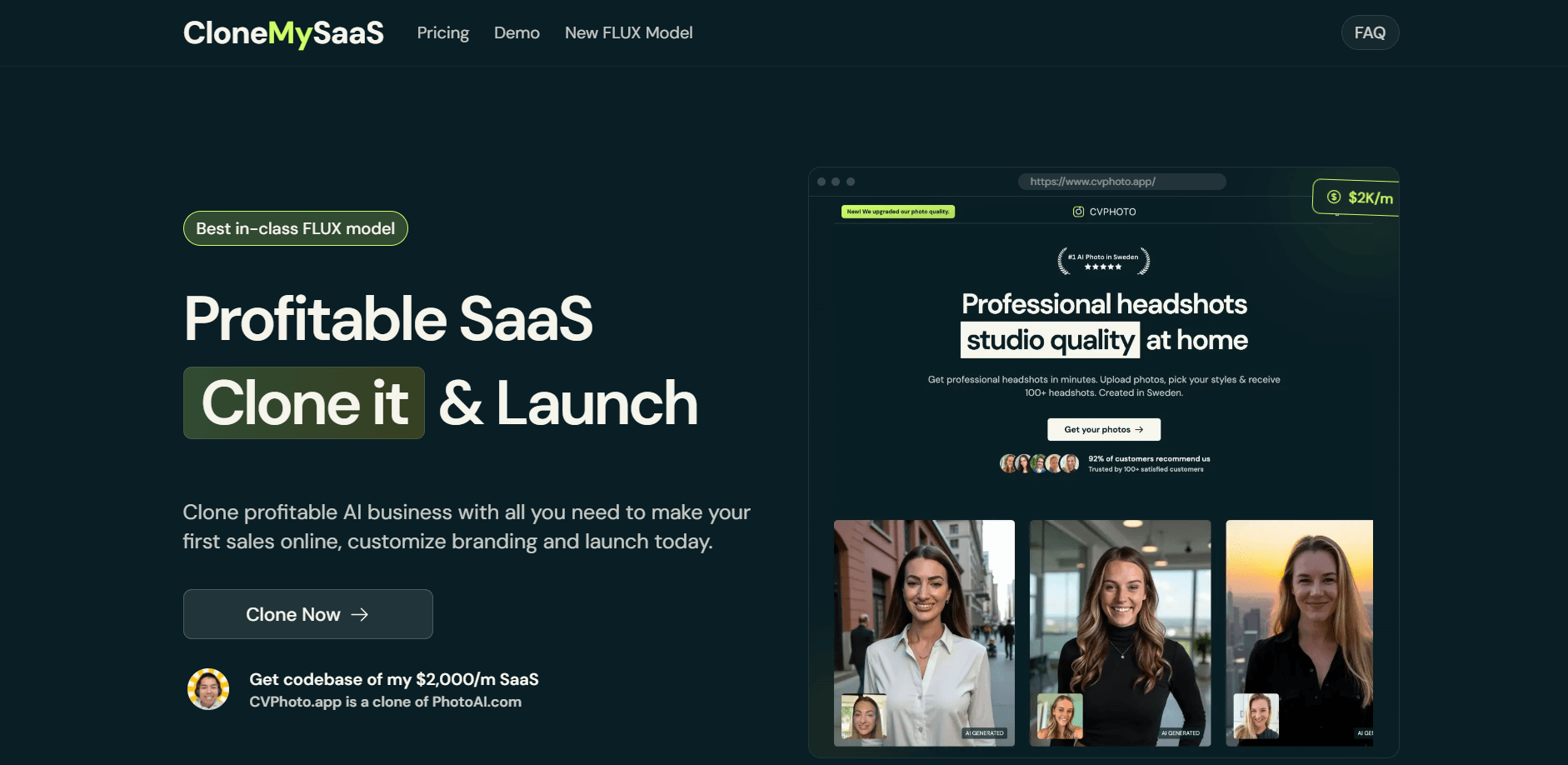
Clone My SaaS – Profitable SaaS Clone it & Launch
Dm Me to buy @Ecomkevin
Introduction
The software industry has experienced a massive transformation over the last decade. Traditional software development once required large teams, significant investment, and long development cycles. Today, Software as a Service (SaaS) has created new opportunities for entrepreneurs, startups, and businesses to launch digital products faster and more efficiently.
SaaS businesses provide software solutions through online platforms where customers pay for access through subscriptions. This business model has become extremely popular because it offers recurring revenue, scalability, and the ability to serve customers globally.
However, building a successful SaaS product from scratch is still challenging. Entrepreneurs often face difficulties such as choosing the right idea, developing technology, managing costs, finding customers, and competing in crowded markets.
Clone My SaaS – Profitable SaaS Clone it & Launch focuses on a strategic approach where entrepreneurs can use proven SaaS concepts, customize existing solutions, and launch products faster. Instead of spending years creating everything from the beginning, businesses can analyze successful software models, improve them, and create valuable solutions for specific audiences.
This approach does not mean simply copying another product. Successful SaaS entrepreneurs understand customer problems, identify market opportunities, and build improved solutions with unique value.
This detailed guide explains how SaaS cloning works, the benefits of this approach, important development strategies, launch methods, and how entrepreneurs can create profitable software businesses.
Understanding the SaaS Business Model
Software as a Service is a business model where applications are hosted online and customers access them through subscriptions.
Unlike traditional software that requires installation and one-time purchases, SaaS products usually operate through monthly or yearly plans.
Examples of SaaS categories include:
- Project management tools
- Marketing platforms
- Customer relationship management systems
- Accounting software
- AI-powered applications
- Communication tools
- Analytics platforms
The SaaS model provides advantages for both businesses and customers.
Benefits for Customers
Customers benefit from:
- Easy access from anywhere
- Regular updates
- Lower upfront costs
- Flexible subscription options
- Cloud-based convenience
Benefits for Entrepreneurs
Business owners benefit from:
- Recurring revenue
- Scalable operations
- Global customer reach
- Predictable income opportunities
Understanding this model is essential before creating a software product.
Why SaaS Cloning Has Become Popular
Building a completely new software idea can be risky. Many startups fail because they spend significant time developing products without confirming whether customers actually need them.
A smarter approach is studying successful SaaS products and identifying opportunities for improvement.
SaaS cloning helps entrepreneurs:
Reduce Development Time
Instead of starting from zero, entrepreneurs can use existing frameworks, concepts, and proven strategies.
This allows faster:
- Product development
- Testing
- Market validation
- Customer feedback collection
Learn From Existing Market Demand
Successful SaaS products already demonstrate that customers are willing to pay for solutions.
Entrepreneurs can analyze:
- Customer needs
- Popular features
- Pricing models
- User experiences
- Market gaps
This research helps create stronger products.
Focus on Improvement and Innovation
The goal is not to create an identical copy. The goal is to build something better.
Improvements may include:
- Better user experience
- Additional features
- Lower pricing
- Industry-specific solutions
- Better customer support
Innovation is what separates successful SaaS products from simple copies.
Choosing the Right SaaS Idea
The foundation of a successful software business is choosing the right market opportunity.
A strong SaaS idea usually solves a specific problem.
Important questions include:
- Who is the target customer?
- What problem does the product solve?
- Are customers willing to pay?
- How competitive is the market?
- Can the solution be improved?
Finding Profitable SaaS Opportunities
Entrepreneurs can discover opportunities by analyzing existing markets.
Useful research methods include:
Studying Existing Software
Analyze successful SaaS products to understand:
- Their features
- Their customers
- Their pricing
- Their strengths
- Their weaknesses
Identifying Customer Pain Points
Many successful SaaS products are created because existing solutions fail to fully satisfy users.
Common problems include:
- Expensive pricing
- Difficult interfaces
- Missing features
- Poor customer support
Solving these problems creates opportunities.
Targeting Specific Niches
Instead of competing with large companies directly, entrepreneurs can focus on smaller markets.
Examples:
- Software for specific industries
- Tools for freelancers
- Solutions for small businesses
- Specialized automation platforms
Niche SaaS products can often build loyal customer bases.
Planning and Developing a SaaS Product
A successful SaaS product requires careful planning before development begins.
Important development stages include:
Creating a Minimum Viable Product (MVP)
An MVP is the first version of a product containing essential features.
The purpose is to:
- Test demand
- Collect feedback
- Understand customers
- Improve the product
Building a simple but useful version is often better than creating a complex product without validation.
Designing User Experience
A successful SaaS platform should be easy to understand and use.
Important elements include:
- Simple navigation
- Clear design
- Fast performance
- Helpful onboarding
- Mobile accessibility
User experience plays a major role in customer retention.
Important Features of Successful SaaS Products
While features depend on the industry, many successful SaaS products include common elements.
User Accounts and Profiles
Customers need secure access to manage their information.
Dashboard Systems
Dashboards help users understand data and control important functions.
Automation Features
Automation saves users time by reducing repetitive tasks.
Analytics and Reporting
Data insights help customers make better decisions.
Integration Options
Connecting with other platforms improves usability.
SaaS Monetization Strategies for Building a Profitable Software Business
Creating a great software product is only one part of building a successful SaaS company. A strong monetization strategy determines how the business generates revenue and continues growing over time.
Successful SaaS businesses focus on creating consistent value for customers while developing predictable income streams.
Subscription-Based Revenue Model
The subscription model is one of the most popular approaches in the SaaS industry.
Customers pay regularly, usually monthly or annually, to access the software.
Benefits include:
- Predictable recurring revenue
- Better customer relationships
- Long-term business stability
- Easier financial planning
Common subscription structures include:
Basic Plans
Designed for individuals or small users who need essential features.
Professional Plans
Created for growing businesses that require additional capabilities.
Enterprise Plans
Designed for larger organizations with advanced needs and support requirements.
A well-designed pricing structure allows businesses to serve different customer segments.
Freemium Strategy
Many SaaS companies use a freemium approach where users can access basic features for free while paying for premium functionality.
This strategy helps businesses:
- Attract more users
- Build brand awareness
- Allow customers to test the product
- Convert free users into paying customers
A successful freemium model requires balancing free features with valuable paid upgrades.
One-Time Payments and Lifetime Offers
Some software businesses provide lifetime access options where customers make a single payment.
This approach can help:
- Generate early revenue
- Attract initial customers
- Build a user community
However, businesses must carefully plan long-term support and maintenance costs.
Launching a SaaS Product Successfully
A successful launch requires more than simply releasing software. It requires preparation, marketing, and understanding the target audience.
Building a Pre-Launch Strategy
Before launching, entrepreneurs should create awareness and interest.
Effective pre-launch activities include:
- Creating a landing page
- Collecting email subscribers
- Sharing product updates
- Building an online community
- Gathering early feedback
A strong pre-launch campaign creates potential customers before the product becomes available.
Validating the Market Before Launch
Many SaaS businesses fail because they build products without confirming customer demand.
Market validation helps answer:
- Does this product solve a real problem?
- Who needs this solution?
- Are customers willing to pay?
- What features matter most?
Validation methods include:
- Customer interviews
- Surveys
- Competitor analysis
- Early access programs
Understanding the market reduces unnecessary development costs.
Marketing Strategies for SaaS Growth
A great product needs effective marketing to attract users.
Important SaaS marketing strategies include:
Content Marketing
Creating valuable content helps attract potential customers through education.
Examples include:
- Blog articles
- Tutorials
- Case studies
- Industry reports
- Educational videos
Content marketing builds trust and improves online visibility.
Search Engine Optimization (SEO)
SEO helps SaaS companies attract organic traffic from search engines.
Important SEO practices include:
- Targeting relevant keywords
- Creating helpful content
- Optimizing website pages
- Improving user experience
A strong SEO strategy can generate consistent traffic over time.
Social Media Marketing
Social platforms help businesses connect with potential users.
Companies can use social media to:
- Share updates
- Demonstrate features
- Build communities
- Collect customer feedback
Email Marketing
Email remains one of the most effective SaaS growth channels.
Businesses use email for:
- Product announcements
- Educational content
- Customer onboarding
- Special offers
- Retention campaigns
Customer Retention and SaaS Growth
Getting customers is important, but keeping them is what creates long-term success.
Successful SaaS companies focus on customer retention.
Important strategies include:
Excellent Customer Onboarding
The first experience determines whether users continue using the product.
Good onboarding includes:
- Clear instructions
- Helpful tutorials
- Simple setup processes
- Support resources
Continuous Product Improvement
Customer needs change over time. SaaS companies must continue improving their products.
Improvements may include:
- New features
- Better performance
- Security updates
- User experience improvements
Customer Feedback Systems
Feedback helps businesses understand:
- What users like
- What problems they face
- What features they need
Listening to customers creates better products.
Scaling a SaaS Business
Once a product gains traction, the next challenge is scaling efficiently.
Growth requires strong systems and strategic planning.
Improving Infrastructure
A growing SaaS platform needs reliable technology.
Important areas include:
- Server performance
- Data security
- System reliability
- User management
- Software maintenance
A strong technical foundation supports future expansion.
Building a Strong Team
Successful SaaS companies usually require different skills.
A growing team may include:
- Developers
- Designers
- Marketing specialists
- Customer support professionals
- Sales experts
- Product managers
Each role contributes to building a complete business.
Using Automation for Efficiency
Automation helps SaaS companies operate more effectively.
Businesses can automate:
- Customer communication
- Billing processes
- Marketing workflows
- Data reporting
- Internal operations
Automation reduces manual work and allows teams to focus on growth.
Common Mistakes to Avoid When Building a SaaS Product
Many entrepreneurs face challenges because of avoidable mistakes.
Understanding these problems improves the chances of success.
Building Too Many Features
A common mistake is creating a complicated product before understanding customer needs.
A better approach is:
- Start with essential features
- Test with users
- Improve gradually
Simple solutions often perform better than overly complex products.
Ignoring Customer Feedback
Customers provide valuable information about product improvements.
Ignoring feedback can lead to:
- Low retention
- Poor user experience
- Missed opportunities
Successful SaaS companies continuously listen and adapt.
Poor Pricing Strategy
Pricing affects customer decisions and business growth.
A good pricing model should:
- Match customer value
- Support business costs
- Encourage upgrades
- Remain competitive
Focusing Only on Development
Many founders spend too much time building and not enough time marketing.
A successful SaaS business requires balance between:
- Product development
- Customer acquisition
- Marketing
- Support
- Business strategy
The Future of SaaS Businesses
The SaaS industry continues evolving with new technologies and changing customer expectations.
Future trends include:
- Artificial intelligence integration
- Automated workflows
- Personalized software experiences
- Industry-specific solutions
- No-code and low-code platforms
Entrepreneurs who understand market needs and use modern technology will have stronger opportunities.
The future of software is moving toward smarter, faster, and more accessible solutions.
Frequently Asked Questions (FAQs)
What is Clone My SaaS – Profitable SaaS Clone it & Launch?
It refers to a strategic approach for creating SaaS products by analyzing successful software models, improving them, and launching solutions for specific markets.
Is SaaS cloning legal?
Creating a similar solution based on market research is common, but businesses should avoid copying copyrighted designs, code, branding, or protected intellectual property.
Can beginners build a SaaS product?
Yes. Beginners can start by learning market research, product development basics, and using available technology platforms.
How profitable is a SaaS business?
Profitability depends on factors such as product quality, pricing, customer demand, marketing strategy, and operational efficiency.
How long does it take to launch a SaaS product?
The timeline varies depending on complexity, development resources, and testing requirements.
What makes a SaaS product successful?
Successful SaaS products solve real problems, provide strong user experiences, maintain customer relationships, and continuously improve.
Conclusion
The SaaS industry has created incredible opportunities for entrepreneurs who want to build scalable digital businesses. However, success requires more than creating software. It requires understanding customers, developing valuable solutions, creating effective marketing strategies, and building systems for long-term growth.
Clone My SaaS – Profitable SaaS Clone it & Launch highlights the opportunity to learn from successful software models and transform proven concepts into improved solutions. By studying existing markets, identifying customer needs, and focusing on innovation, entrepreneurs can create powerful SaaS products.
The most successful software businesses are built around solving real problems and delivering continuous value. With the right strategy, technology, and execution, SaaS entrepreneurs can create sustainable businesses with global potential.



Reviews
There are no reviews yet.